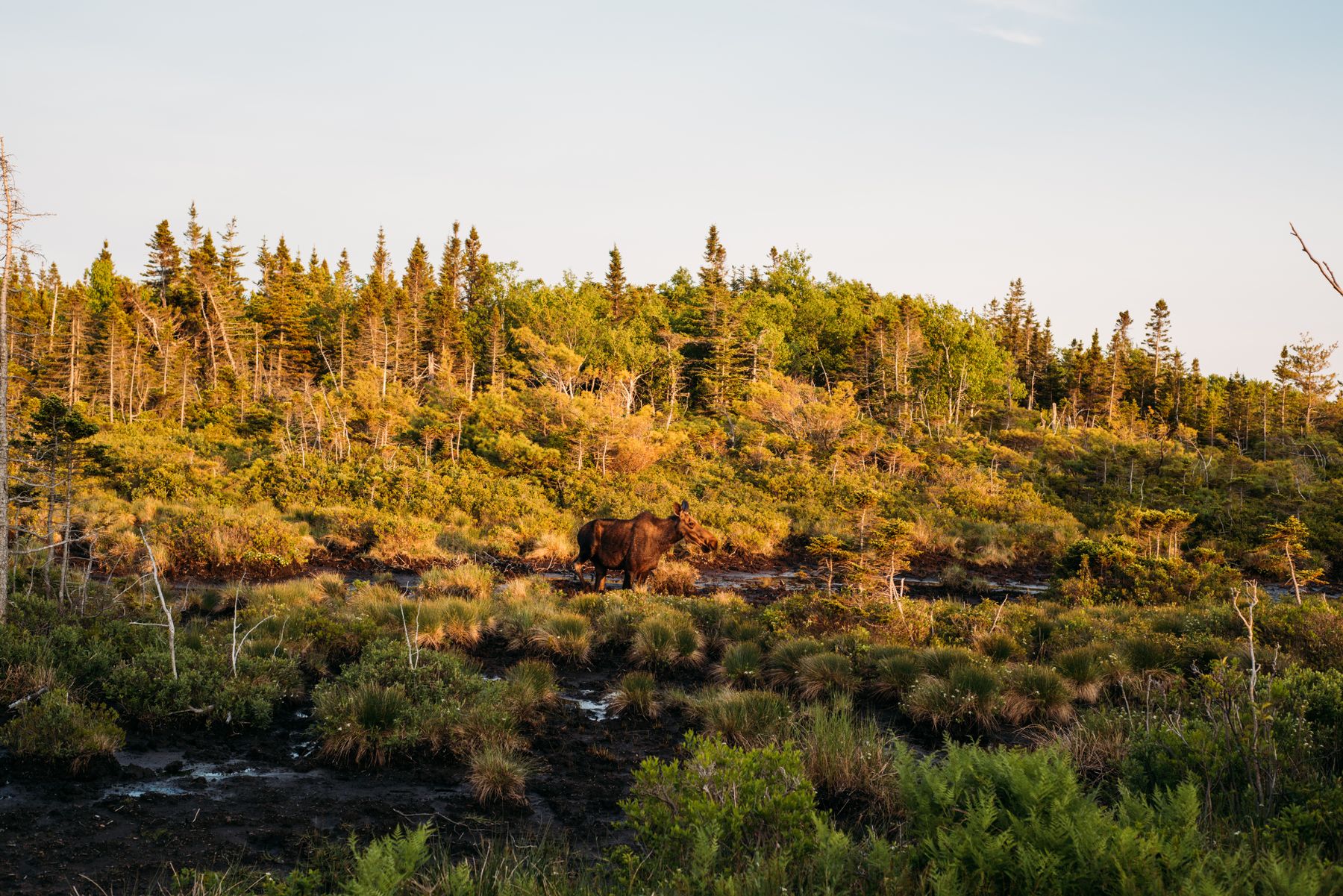
Deer, elk, moose and caribou
Slow down where signs, vegetation or low light suggest animals. Large animals can move unpredictably and more may follow the first one across the road.

Wildlife on the road
The best sighting is one that changes neither the animal’s behaviour nor another driver’s route. Slow down, make space and let the animal decide when the moment ends.
Parks Canada rule of thumb
Parks Canada commonly requires or advises at least 30 metres from elk, moose, caribou, sheep, goats and other large wildlife, and 100 metres from bears, cougars and wolves.
Local park orders, closures and signs can be stricter. A distance does not make an unsafe parking place safe, and an animal moving because of you means you are too close.
Read the roadside
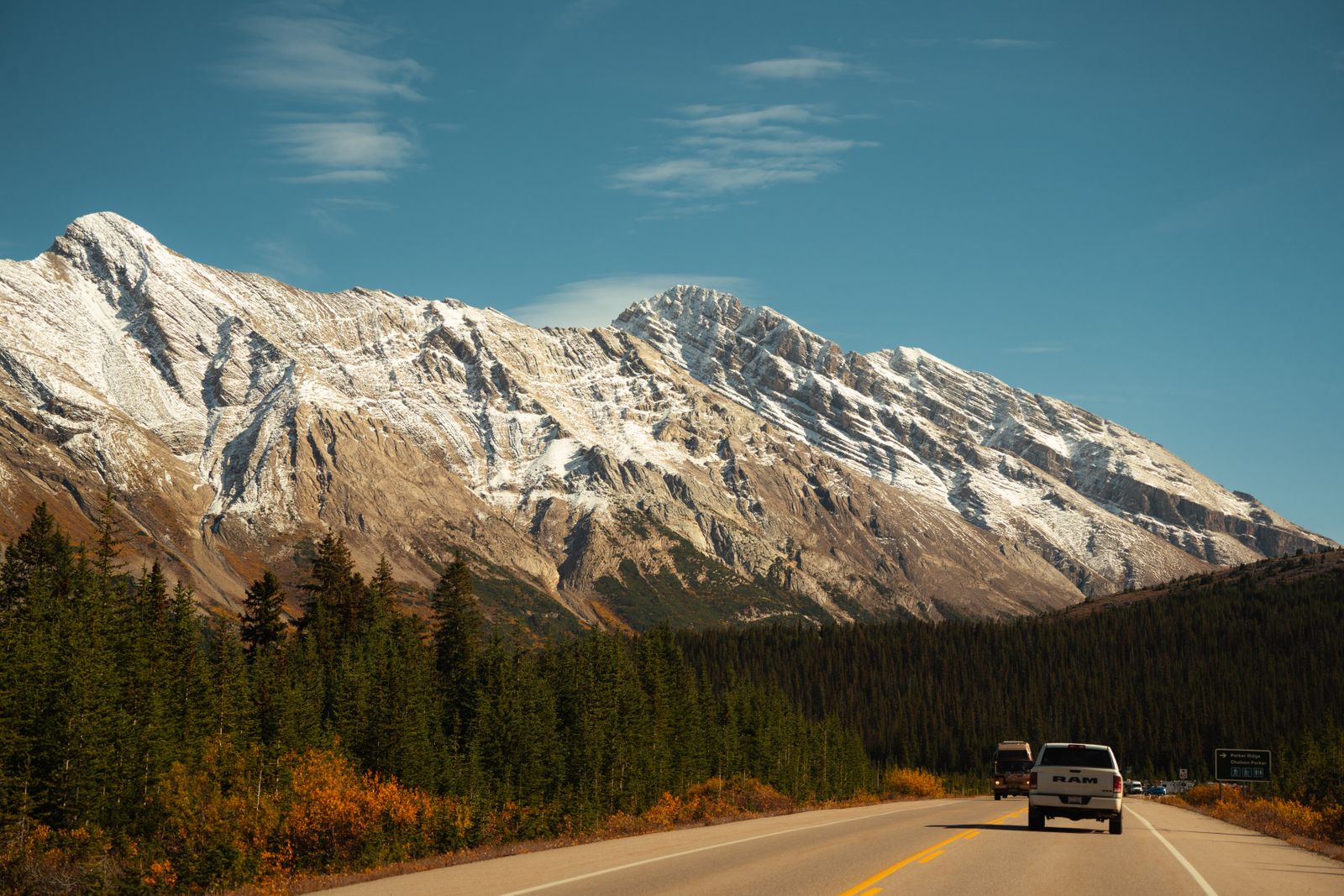
Dawn, dusk, night and vegetated road edges deserve extra attention. Scan both verges, reduce speed and expect a second animal.
Slow down where signs, vegetation or low light suggest animals. Large animals can move unpredictably and more may follow the first one across the road.
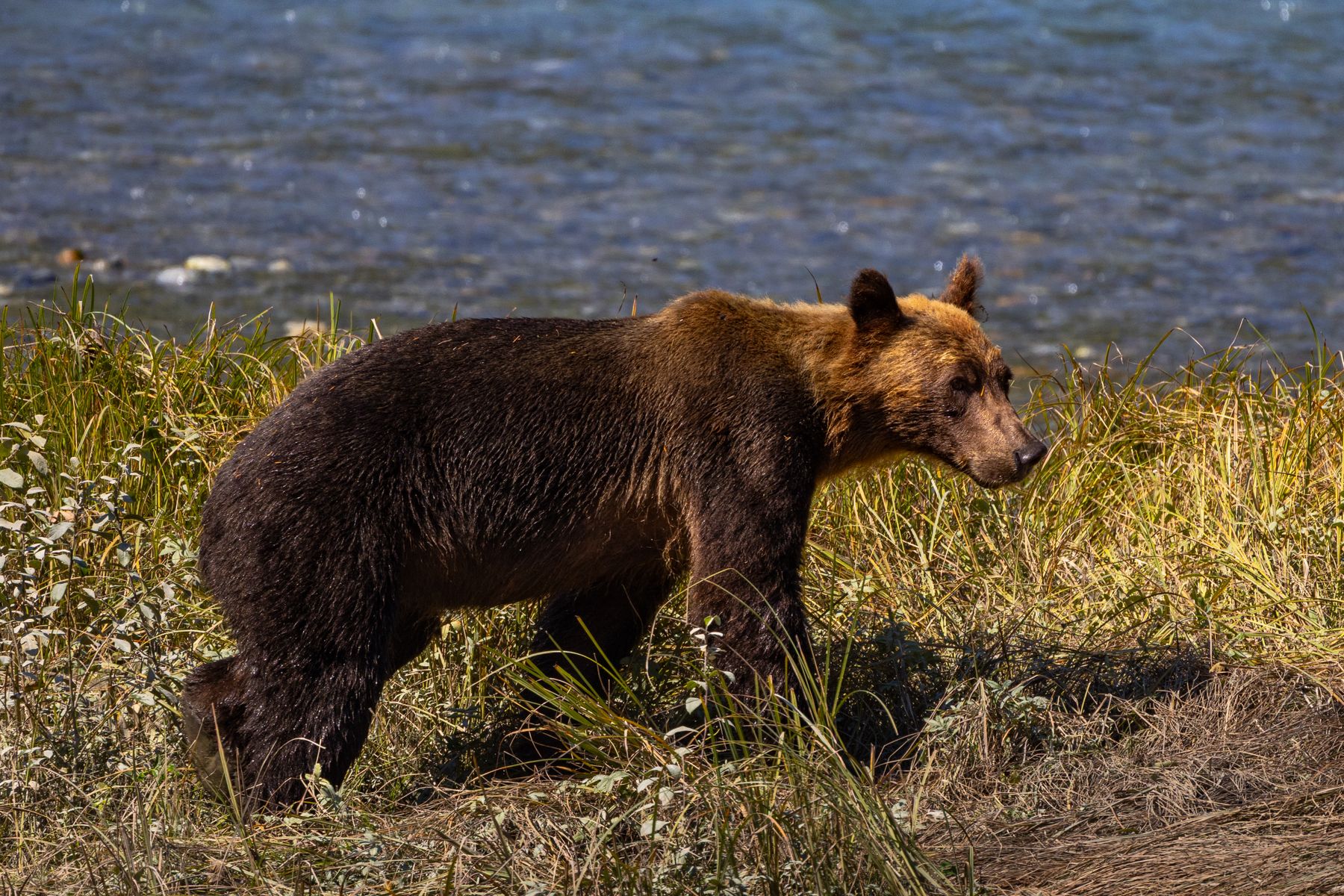
Stay inside the vehicle when an animal is beside the road. Never feed, approach or crowd it, and leave before your stop changes its behaviour.
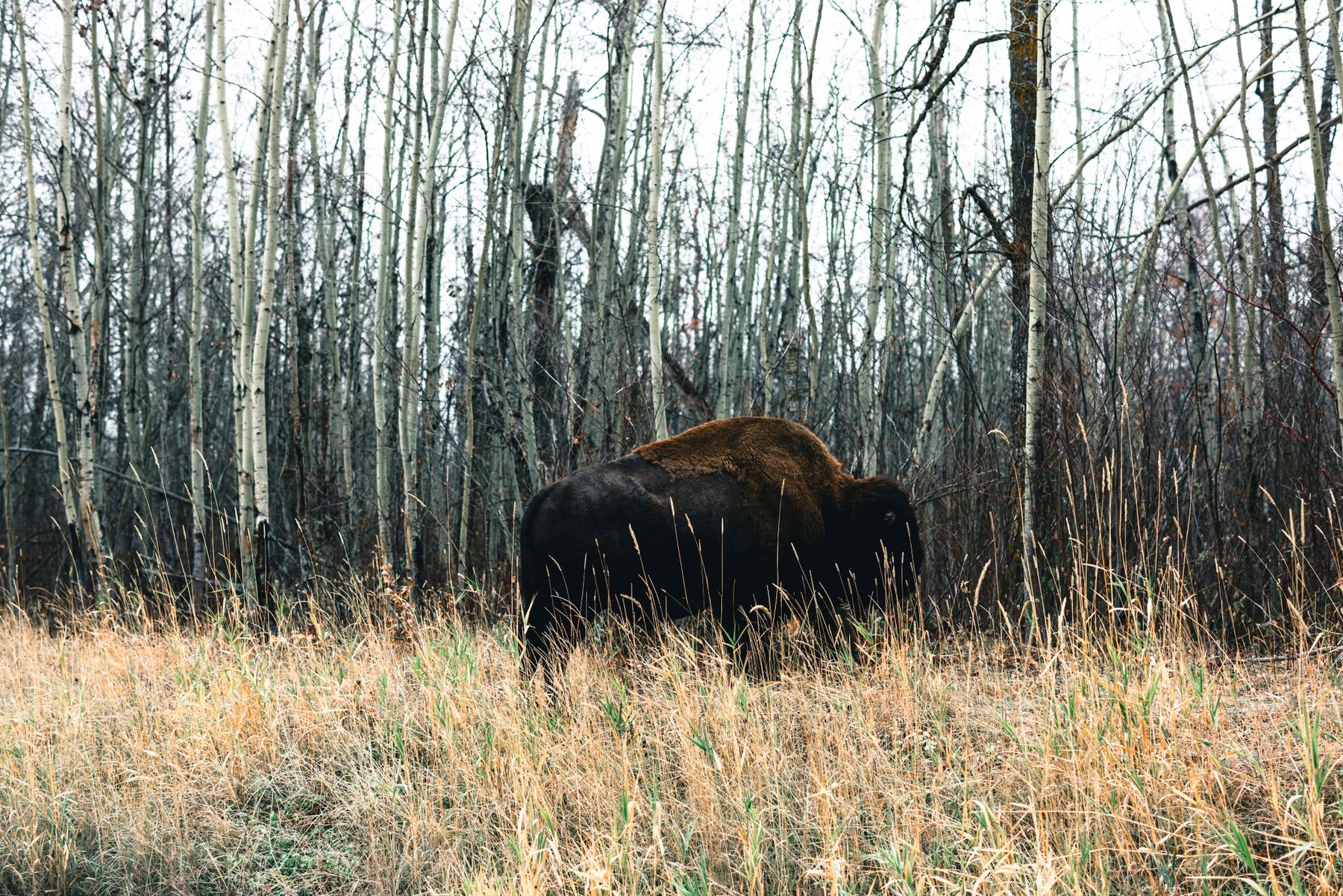
A bison can damage a vehicle and should never be pressured. Wait at a distance, remain in the car and pass slowly only when there is ample room.
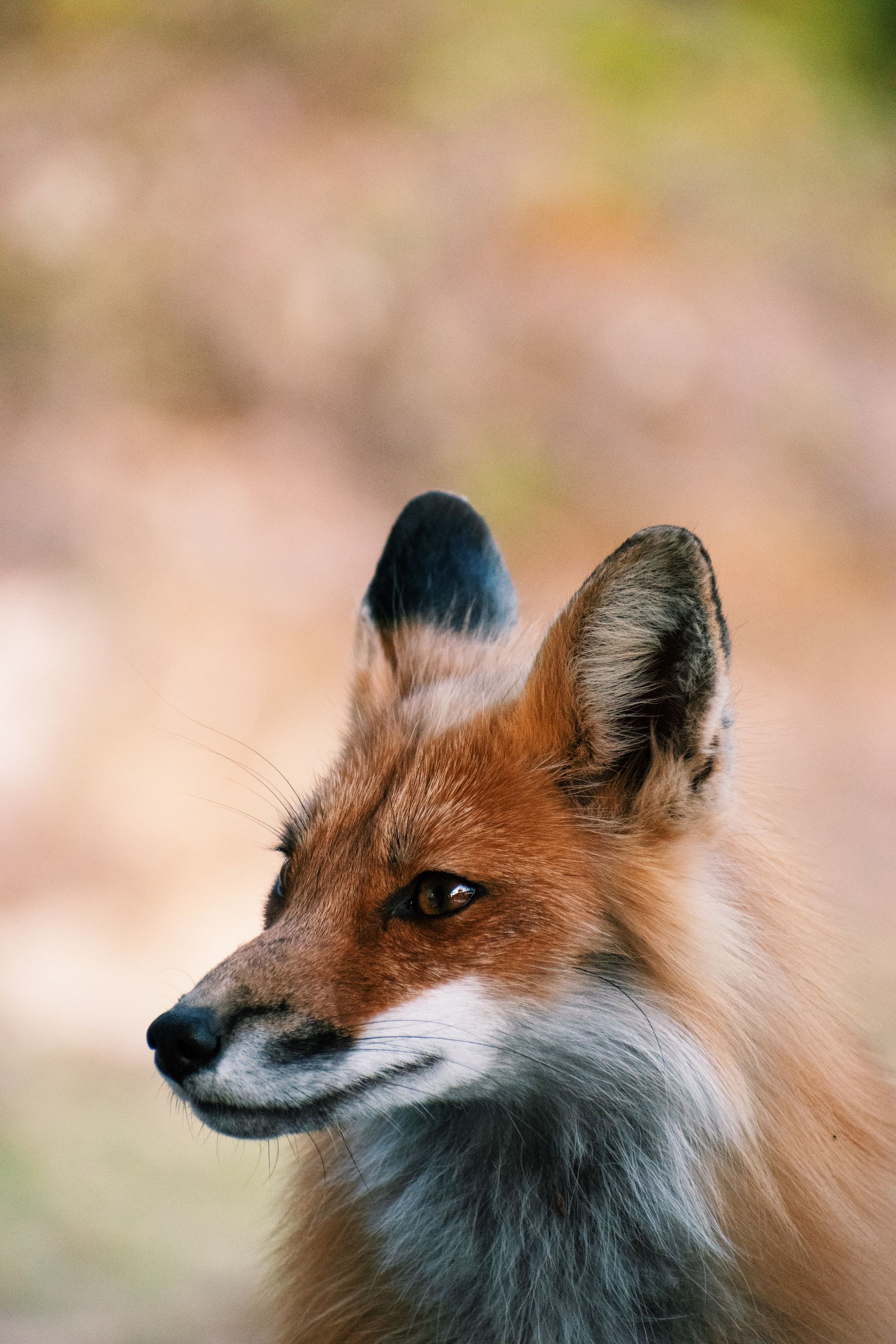
Do not make a violent swerve into traffic or off the road. Reduce speed smoothly, stay in control and follow the safest action available.
When wildlife appears
Check mirrors, avoid harsh manoeuvres and be ready for more animals. Never accelerate towards wildlife, sound the horn to force movement or use full-beam lights to pressure it.
Do not block a live lane, shoulder, junction or the animal’s route. If there is no safe pull-out, keep moving slowly and let the sighting go.
A vehicle can provide separation only when it is legally positioned and you remain inside. Keep windows controlled, children close and pets secured.
Secure food, rubbish, coolers and scented items at campsites. Feeding wildlife is dangerous and can lead to the animal being destroyed.
After a collision
01 Move out of live traffic if the vehicle can be moved safely, switch on hazard lights and keep people away from the carriageway.
02 Call 911 for injury or immediate danger. Otherwise notify the local police, park or road authority as required, then the rental company.
03 Do not touch, follow or try to help an injured animal. Tell the authority the exact location and direction of travel.
Official reading
Distances shown are common Parks Canada guidance and restrictions. Posted local orders, closures and staff directions may require more space or prohibit stopping.
Collision reporting requirements vary by province, territory, road and species. Follow the local authority and your rental company’s instructions.